Dieting Exercising Not Losing Weight | 3 Overlooked Reasons
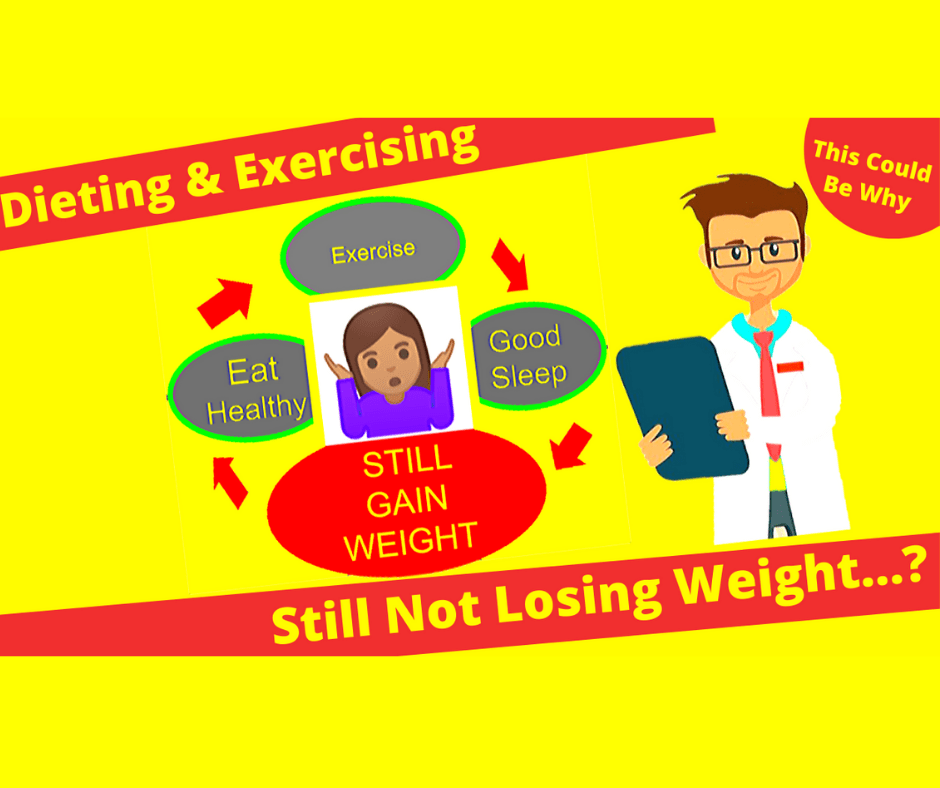
Are you dieting exercising, but not losing weight? If you’re eating healthy, working out, and not losing weight, don’t lose heart. And please, be patient with the process and with yourself.
Our bodies are made of incredibly complex systems with a mind-boggling number of moving parts, so there are lots of reasons why people sometimes have trouble seeing the results that they have been working for.
In this video, and in videos to come, I will discuss some common but overlooked things that hold people back from achieving their health and fitness goals.
Be sure to watch until the end where I discuss a relatively new weightloss breakthrough that has helped thousands of frustrated dieters finally see results. You can also click the link above and find out more about it.
——————————————–
Disclaimer:
*This information is for educational purposes only.
I am not a doctor, and this is not medical advice. I’m just a guy who does a lot of research, because I am also a son, a husband, a nephew, and a father who has seen most of the women that I love and care about suffer from terrible health conditions that no one could help them with.
If you feel like any of these apply to you, please consider getting checked out by a professional.
——————————————-
…. ……
diet and exercise but no weight loss
dieting exercising but not losing weight
dieting exercising not losing weight
eating healthy and exercising but not losing weight
eating healthy working out not losing weight
hard to lose weight even with diet and exercise
working out and eating less but not losing weight
working out and eating right and still not losing weight
working out and eating right but not losing fat
Eating Healthy Working Out Not Losing Weight
Dieting Exercising Not Losing Weight
For many of us the sight of a freshly glazed doughnut can feel like falling in love and coming home to a pack of unopened cookies can feel like the adult version of Christmas morning. There’s something about sugar that hooks us and keeps reeling us in again and again. Whether we like it or not sugar has a major hold on us.
If you’re reading this it’s highly likely you understand, and have first-hand experience, of this allure. Sugar isn’t just confectionary, it’s compulsion; there is no such thing as stopping after “just one.” I mean, if one is good, more is better. At least that’s what it feels like with the sweet stuff.
We are given many reasons for our sugar cravings: pleasure-seeking brain circuits, intestinal parasites, mineral deficiencies, malnutrition, habitual behavior, unbalanced diets, too much salt, buried emotional issues, lack of sleep, stress…. and my favorite, lack of discipline.
We are not at a loss for reasons for our addiction to sugar, yet knowing isn’t enough to change us or our behavior. If knowing was enough we would all be winning gold medals and gold stars in every area of our life. If anything, knowing just makes it feel worse… we know better so why aren’t we doing better? Knowing becomes just another reason for us to feel bad about ourselves.
The next step to knowing is to try and do something about it. We take matters into our own hands and attempt to turn our sugar-loving switch from on to off. This is not a painless process, and just when we feel we’re making ground something happens to throw us off and we’re on a mission to hunt down any sugar we can find and back at the start.
When we decide to target our sugar dependency, we attack the sugar itself, we clear the pantry, empty the house of all products and declare sugar the enemy. And this is fine… except it doesn’t work. When we create an action plan like this, we’re a few steps too far ahead and facing the wrong direction. We don’t address what’s really happening.
The key: target the true problem, not the side-effect of the problem. And sugar cravings are the side-effect, they’re the symptom of the real problem, and treating symptoms never makes the problem resolve. The only way to create true, long- standing change is to address the root cause…. otherwise you’re just wasting your time and prepping yourself for another future sugar-binge.
What is the root cause? Leptin resistance. When leptin resistance occurs in our body we have a malfunctioning system. This malfunction will produce troublesome symptoms. Not only does leptin resistance increase hunger but it creates cravings! That’s a recipe for disaster! Not only will you be hungry but you’ll be hankering after the worst foods imaginable…
We may have blamed everything else under the sun for our inability to stop reaching for the next cookie… everything but leptin resistance. If you want to see real movement and change you’ll need to target leptin resistance and do something to “fix” it.
One way to target leptin resistance is with a product called leptitox, a blend of 22 all-natural, carefully selected herbs, amino acids and vitamins with the ability to help your body address the real cause of leptin resistance and then work to reduce it’s effects.
Leptitoxis just the way to address the growing problem of leptin resistance, since it has been created to target and address it. Leptitox is a blend of . It will change everything you thought you knew about weight loss.
Are you dieting and exercising but not losing weight?
Do you feel like no matter what you do, it’s impossible to to get rid of stored body fat?
Have you tried every diet and workout plan under the sun and the only thing you’ve lost is time?
Does it seem like your body is just one step ahead of you, resisting every change you try to make?
So what do you do?
If you’re like most people, you keep searching, you double down on your efforts.
Does that sound like you?
Are you someone who believes that in order to finally lose the weight
…you have to diet and deprive yourself of your favorite foods?
…you just need to do more exercise or exercise harder?
Or maybe you believe you’re stuck because
…you just have a slow metabolism, or that being overweight just runs in your family and is genetic.
Have you ever considered the possibility that the reason you are dieting and exercising but not losing weight has nothing to do with any of those things?
Society has conditioned us to believe that weight gain and loss is all about calories and willpower.
“Just Eat Less and Workout Harder”
However, modern obesity research disagrees.
Scientists and doctors are saying reason many people are not able to lose weight and why diet why diet & exercise aren’t working to do with a hormone called leptin.
Leptin is a hormone that is produced released from your body’s fat cells after you eat to tell your body to stop feeling hungry and start burning calories.
“Sounds great! Just double up on the leptin watch the fat magically disappear!
That’s not exactly how it works.
Your body builds a tolerance to it.
The more fat you have on your body, the more leptin you produce.
Excess leptin can cause your body to become resistant.
If your body is resistant to leptin, the hormone can’t do its job.
This is condition is called “Leptin resistance”, and is now believed to be one of, if not THE leading driver of fat gain in men and women.
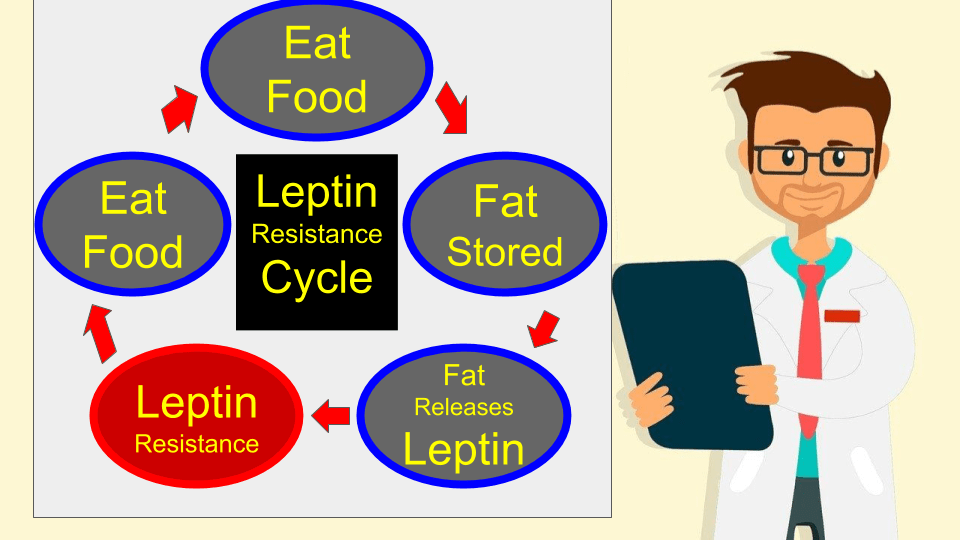
When you have leptin resistance, your body goes into overdrive, producing more leptin, trying to tell your brain that you’ve had enough to eat, but your brain isn’t picking up on it.
That leaves you with cravings for more food, and it starts the cycle:
The more you eat, the bigger your fat cells get, along with the risk of worsening your leptin resistance. And the more you gain weight, the less sensitive your body becomes to leptin.
Hopefully by now, you are starting to realize that if you are dieting and exercising, but not losing weight that it may not be your fault.
In my next post, I’m going to discuss some of the implications of leptin resistance when it comes to dieting and weight loss.
If you would like to learn more about how leptin may be the reason you aren’t losing weight even though you are dieting and exercising, feel free to check out my entire playlist on YouTube by clicking the video below.
Or, you can find out more information at our site by clicking here
Japanese Method | Weight Loss and Healthy Living Secrets
The Japanese people are renowned for their life expectancy, their astoundingly low rates of disease, especially when compared to some Western cultures, and just being a healthy culture in general. As you know, we live in a world of cause-and-effect, so it’s safe to say that these differences don’t just happen by accident. They are the results of specific aspects of the Japanese culture and lifestyle.
Compare that to America, where it seems like every year, the Centers for Disease Control release another report telling us that obesity in the U.S. is on a dramatic rise. The scary fact is, it’s true! Nearly 70% of all Americans over the age of 21 are overweight and more than a quarter of them are considered obese!
In this short video, we are going to highlight some of the specific things that allow the Japanese people to enjoy not only above-average life spans, but also quality of life, and hopefully expose you to a new idea or two that you can incorporate to begin to live a longer and healthier life, too.
Before we begin, just a quick reminder that if you enjoy content like this, then be sure to hit that subscribe button so that you are notified whenever we release a new video.
Also, be sure to click—->here. We have a free guide for you that is packed full of simple, but incredibly powerful information. The guide is a direct result of the experiences of an American Marine pilot who was shot down over Japan during WWII. Instead of being captured, however, he was rescued by a simple, Japanese farming family. Not only did they nurse him back to health, but by the time the war was over, he was in the best shape of his life, thanks to the knowledge that this family imparted to him. It’s 100% free, so be sure to pause the video right now and download your copy onto your phone or your computer.
Now, let’s get started!
The Land of the Rising Sun outweighs all other countries with regards to the proportion of the elderly. About 22% of the population in Japan is 65 or older. It has been estimated that by 2020, the ratio of the elderly to the children will be approximately 3 to 1. The Japanese are, in fact, the most long-lived people on this planet. It’s as if Nihon jins have placed a fountain of youth in their backyard. Well, at the dining table perhaps.
Healthy food. Despite the competitive lifestyle that they have, they still are among the healthiest people in the world- because after a day of hard work is a healthy meal. It is well-known that a Japanese meal is one of the healthiest among regional diets. Meals include the kind of foods that Japanese eat everyday to stay slim, healthy, and youthful while epitomizing a successful, on-the-go lifestyle. The Japanese have the pleasure of eating nutritious and satisfying foods without guilt, getting, fat, and looking old. Every day they eat at least seven servings of vegetables, including sweet potatoes, dark leafy greens, seaweed, onions, and bean sprouts; at least two servings of anti-oxidant rich fruits; and two or more servings of soy foods. The Japanese also sip several cups of tea every day. They eat a serving of fish, consumed at more than 150 pounds in a year. Who would look old with that kind of meal?
Less Disease Research of double Nobel Prize winner Linus Pauling pointed out that almost all diseases and the body’s ability to fight them can be directly or indirectly linked to what humans do or do not eat. Statistics about the Japanese and other nationalities can prove this right. Only six in 100,000 Japanese women acquire breast cancer. That’s about 20 times less than the British women. 96% fewer Japanese men have coronary heart disease than the British male populace. (Breast cancer and heart diseases can be attributed to eating lots of fatty foods.) Statistics show that Japanese have less Western diseases like diabetes, obesity, cancer, heart diseases, atherosclerosis, etc. These are truths about the relationship between diet and disease in Japan.
Foods to Stay Young: A Japanese diet is the amazing secret of their ability to stay young and vigorous. It’s hard not to notice how many Japanese women in their forties still look like they are in their twenties. We may not need our anti-aging creams, just to discover the Japanese fountain of youth.
The Meal The sticky, short-grained rice is the main carbohydrate food in Japan. But Japanese eat as much fish that are rich in fatty acids which provide a greater amount of calories for most. Another main source of carbohydrates for the Japanese is the noodles, a quick, easy, and healthy snack. Consumption of brain foods like eggs and seaweeds is also great. Egg consumption in Japan, in the form of omelets, custards, and soups, is higher than in America (40 lbs to 34 lbs). Seaweed used in soups and sushi provides a good amount of iodine, which is very important for normal functioning of the thyroid gland, which is, in turn, vital for optimal brain function. The Japanese are also fond of eating magic potatoes which have natural anti-aging, life-enhancing components. Tofu is also a distinguishing feature in the Japanese diet. Tofu is one of the best sources of protein with anti-cancer and health-boosting benefits. Contrary to what you might expect, the Japanese consume a lot of milk. They consume an average of 180 pounds per year. Fruits are the popular dessert in Japan. In general, Japanese people don’t like sweet desserts. In addition, most Japanese shun fast, processed, and junk foods.
Madonna’s Secret Madonna, who still looked young and hip all through her 50’s, and in fact is now in her sixth decade, shared that she eats Japanese food most of the time. In fact, everywhere she goes, a Japanese chef is said to cook healthy meals for her.
Unfortunately, I can’t tell you how to go about getting your own personal chef, but I can give you the next best thing.
So be sure to check out our other recommended resources and freebies to help you along in your weight loss journey by clicking HERE.
~~~~~~~~~~~~~Click Below to Subscribe To Our YouTube Channel ~~~~~~~~~~~~~~ 👉 https://goo.gl/yBgtYH 👈
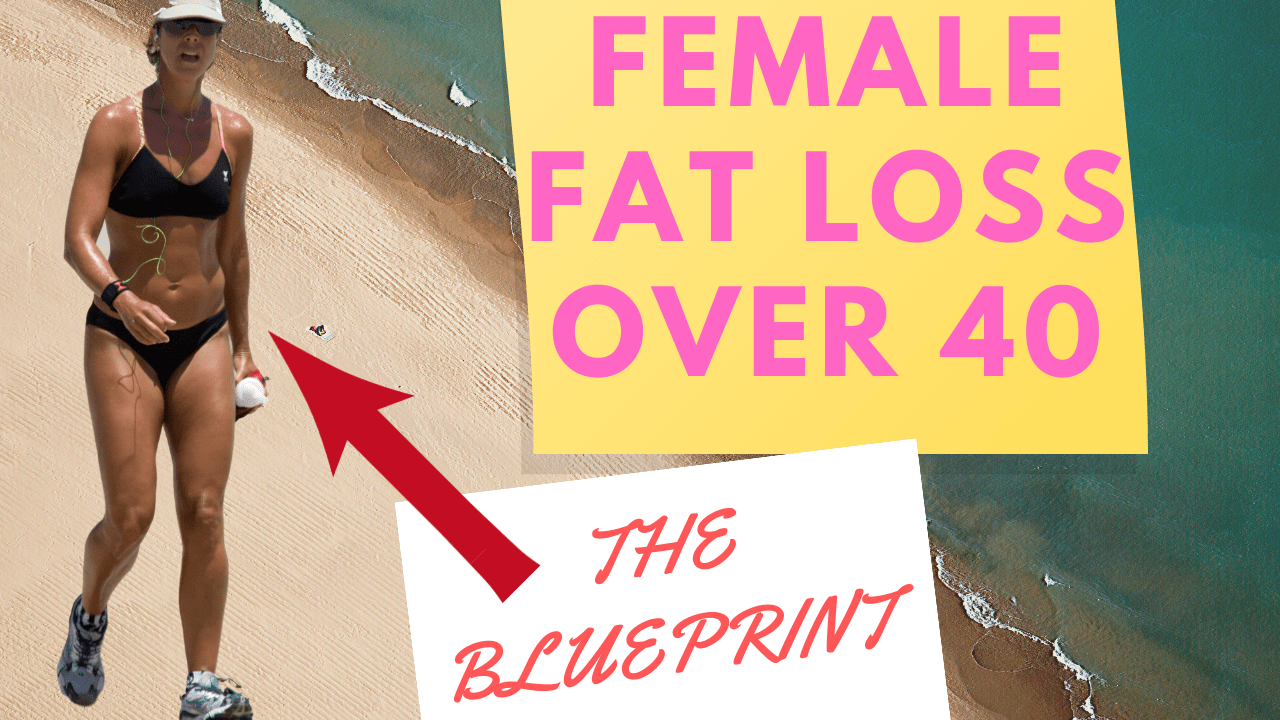
Female Fat Loss Over 40 | Weight Loss Blueprint For Women
Losing weight can be tough for everyone, but losing weight after 40 can be a real struggle.
Weight loss for women in their 40’s requires that you take into account unique hormonal changes, lifestyle adjustments, and exercise considerations.
Whether you are in your forties or just just getting close, weight loss is possible.
But you need to plan ahead, exercise smarter, and eat the right kind of diet, full of key nutrients that will keep your body healthy and strong.
Use this list to help you start losing weight after 40.
#7. See Your Doctor.
At age 40, many women start to notice significant changes in the way their bodies look and feels. Some changes, like grey hair and wrinkles, are cosmetic don’t really affect your medical health. It’s other changes, like weight gain or increases in fat storage that can be cause for concern.
Motivation for Weight Loss Over 40:
Weight loss can play a big role in your overall well-being and your quality of life in later years. When you go in for your annual check-up or before you start a diet, talk to your doctor about how weight affects the risk for conditions like heart disease, type 2 diabetes, high blood pressure, and cancer.
Ask how weight loss can decrease your risk or improve your health.
Be sure to discuss your medications and how they fit into the overall picture of your age and weight and whether to stay the course or make some informed changes to your current regimen.
#6 Don’t (Completely) Blame Menopause.
Yes, menopausal changes can affect your weight. However, many women struggle with weight loss before, during, and sometimes even long after menopause.
Weight gain at this time may be related to changes in your hormones. But this is also a time when many women make changes to their daily routines that may affect their weight.
For example, after the kids leave home, some women are not as busy during the day with non-exercise physical activities, like carrying groceries, lifting laundry baskets and other household chores.
And many women begin to enjoy certain leisurely activities that can contribute to changes on the scale, like eating out more often, enjoying longer vacations, or spending more time relaxing and reading books.
Evaluate your lifestyle to make sure that a change in your daily habits isn’t affecting your weight. Consider getting an activity tracker to find out how many calories you burn each day and make sure that your energy balance isn’t out of whack.
You can even evaluate your caloric expenditure throughout the day and add activity during the times when you tend to be more sedentary. Simple changes can make a big difference in your metabolism.
#5. Reboot Your Confidence.
Regardless of gender, age can affect our self-confidence? Are you less satisfied with your body? Do you still feel self-assured and sexy when you are around younger women?
Your confidence level, believe it or not, can play a role in your ability to lose weight.
Confidence and Weight Loss Over 40:
Sex appeal and body confidence don’t have to fade with age. Many women say that their 40s are the sexiest decade.
Women often experience renewed confidence, professional success and a more sultry sense of self during this decade. So use it to your advantage!
If you’re trying to reshape your body or lose weight in your 40s, a renewed sense of confidence and sex appeal will help you reach your goals.
Keep a journal to remind you of your experience, your accomplishments, and your talents. Think about your life and the challenges you’ve overcome. They can help you to become stronger during your weight loss journey.
Losing weight after 40 becomes a little bit easier when compared everything else you’ve overcome to make it this far.
#4.Don’t Ignore Goal Setting.
The most important step to losing weight will require you decide on your goal and a plan. If you are serious about losing weight, this is not optional.
Use smart goals for Over-40 Weight Loss:
Your weight loss goal will steer your weight loss journey and help you to stay on track when the going gets rough. Short-term behavioral goals (such as eating 2-3 more servings of vegetables each day) can help you to reach your long-term weight loss goal.
Not sure how to set powerful goals that yield real weight loss results? Do a quick YouTube search and earn to set SMART goals.
SMART goals are specific, measurable, attainable, relevant and time-bound. They are used by business leaders and motivational coaches to help anyone become more successful.
Again, if you are serious, then start here. It will take you 30 minutes, but can save you months when map our your plan for success from the start.
#3. Get Enough Sleep.
It’s very hard to slim down when you’re not resting properly. People are more likely to make poor food choices when we are tired, and less likely to exercise or be physically active.
Lack of sleep also negatively affects Cortisol production, which is the hormone that directly impacts weight gain. So it’s critical to make a few small changes and improve your sleep at night. Create a bedtime ritual that you practice each night.
Here are a few examples: -take a short shower or bath to relax. -turn off your cell phone or store it out away from your bedroom. -removing other electronic devices (like a television) from the bedroom will help, too. -waking at the same time each morning even on the weekends.
#2. Don’t Rely on Just Cardio.
In your 20s and 30s, you may have been able to lose weight by just raising your heart-rate a few times a week. You might have managed your weight with aerobics classes or jogging. But if you’re serious about losing weight after 40, you need strength training and stretching.
Exercise for Weight Loss Over 40:
You need three types of exercise to slim down, tone up and stay healthy.
Make sure you incorporate cardiovascular exercise, strength training and stretching into your weekly program. Each type of exercise provides unique weight loss benefits.
When it comes to Cardio, aim for shorter duration, high-intensity activities. These will help you to maintain heart health, but will burn more calories than hours on the treadmill.
Strength training helps you to burn more calories all day long. Muscles require more energy to maintain so your metabolism will benefit when you build them. Muscles also help to shape a tighter physique.
Flexibility training helps you to maintain healthy joints and can help you to decrease stress.
You can spend just 15-30 minutes each day on stretching, cardio, and strength training to see real changes in the way your body looks and feels.
#1. Do Change Your Diet.
Smart goals, better sleep, communication with your doctor, and a well-planned exercise routine will all help you to slim down in your 40s, but what you eat will have the biggest overall effect.
That doesn’t mean you can’t eat the foods you love. But you may need to make some changes.
The Best Diet for Women Over 40:
Your 40s are not the time to try fad diets for quick weight loss. You’re smarter than that.
You need a clear plan for long-term health, well-being, weight loss, and weight maintenance. While there is no “best” diet for everyone, there may be a “best diet for you.” A diet plan for your 40s should be one that you can use to reach your weight loss goals and then modify and stick to for life.
Take an honest look at your current eating style, think about your past diet history and choose a diet that fits your needs. There are countless commercial diet plans or create your own eating plan at home.
We recommend avoiding expensive, pre-packaged plans that tend to be filled with un-healthy preservatives. Instead, focus on portion control, increasing fresh greens and fiber-rich foods, eating more protein, and including modest servings of healthy fats.
You can also use a calorie calculator to determine your needs, then count calories to stay within your range. These methods aren’t trendy, but they are the best methods for weight loss over 40 (and at any age) as determined by health experts and scientific studies.
We know that sometimes it’s easier said than done, so we have included some helpful links to some free resources in the description to help you get started.
drew canole, SUPER GREENS, super greens powder, Amazing Grass Green Superfood Organic Powder
best greens powder, best green powder, organifi green juice review, organifi review, green powder review, green powder supplement, greens powder, greens supplement, super greens powder, green superfood, wheatgrass powder, Super greens, organifi green juice before and after, organifi green juice powder reviews, organifi green juice where to buy, organifi benefits, organifi green juice results, organifi ingredients, organifi ingredients list